

Small Cruise Ships vs Large Cruise Ships: Which Is Better?
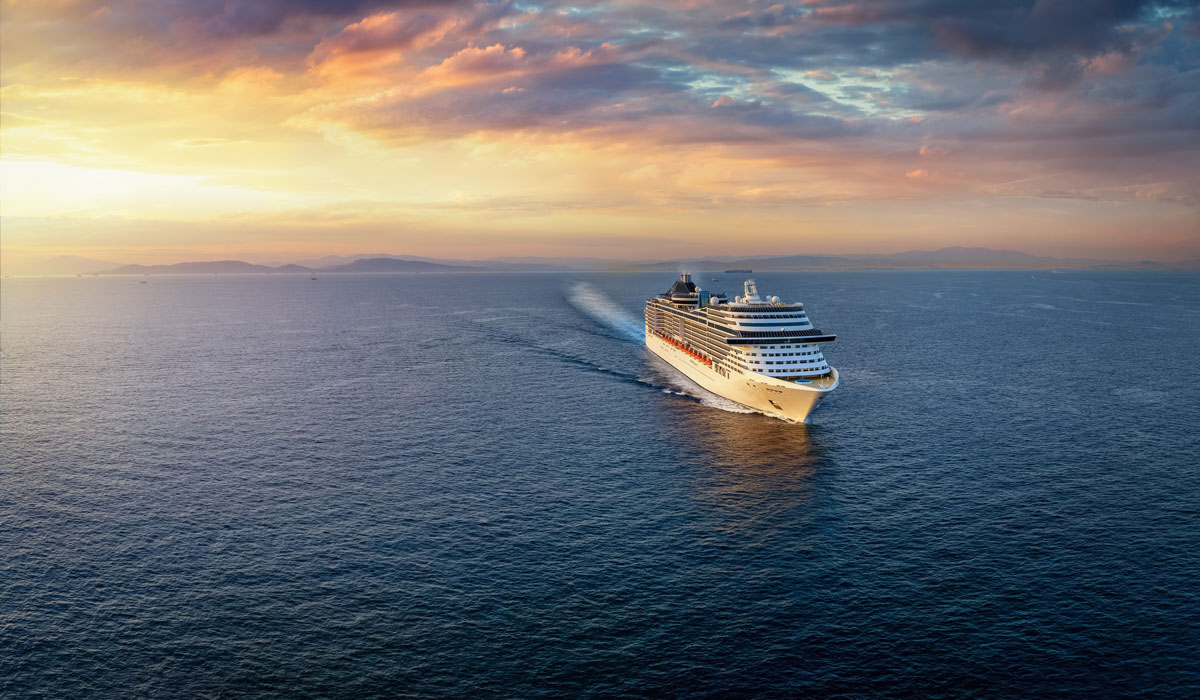
Planning a cruise vacation can feel overwhelming, especially when you realize just how different one ship can be from another. The cruise ship comparison you need to make before booking is not just about price or destination; it is about the entire experience you want to have at sea. Whether you are researching the best cruise for families, searching for the best cruise for couples, or simply trying to figure out what suits your travel style, the big ship vs small ship cruise debate is the place to start.
Both options have passionate fans and compelling advantages, so let us break down everything you need to know before you set sail.
The Scale of the Difference: What “Small” and “Large” Actually Mean
Before diving into the cruise ship comparison, it helps to understand what these terms really mean. The cruise industry has been booming, with hundreds of ships sailing the seven seas. The tipping point between small and large is generally set at around 500 passengers, setting aside river ships and expedition vessels entirely. On the larger end of the spectrum, most of the upcoming new builds across different brands would be classified as mega-ships, generally defined as vessels that can accommodate more than 3,500 passengers. In 2025, Royal Caribbean welcomed its second Icon-class ship, Star of the Seas, which can accommodate 5,610 guests at double occupancy. Similarly, the recently debuted MSC World America has a capacity of 6,792 guests.
Cruise ships come in various sizes, ranging from small intimate vessels to massive floating cities on the sea. The size of a cruise ship is usually determined by its gross tonnage, which refers to the overall internal volume of the ship. The smallest cruise ships can have a gross tonnage of under 10,000, while large cruise ships can exceed 200,000 gross tons. That is a staggering range, and it translates directly into how your vacation feels from the moment you step on board.
Entertainment, Activities, and Onboard Atmosphere
When it comes to onboard entertainment and activities, large cruise ships are in a league of their own. Larger ships boast more bells and whistles, presenting more entertainment options. From comedians, game shows, and Broadway revues to magicians, movies, and dinner theater productions, there is something to keep just about everyone busy. Ropes courses, skydiving simulators, and innovative waterslides add to the host of options that keep passengers occupied onboard.
This makes large cruise ships a strong choice for cruise vacation planning when mixed groups are involved. Because larger ships offer something for just about everyone, they are often a solid choice for anyone who is easily bored, couples or groups with varied interests, and multigenerational groups.
Small cruise ships, by contrast, offer a quieter and more relaxed environment. On a smaller ship, there will be many opportunities to wind down and relax when underway. In port, you will have the opportunity to participate in various water sports or venture into port and explore the destination. The pace is slower, the crowds are smaller, and the emphasis is placed on connection rather than stimulation. For those seeking a true intimate cruise experience, this calmer atmosphere can be a major draw.
Destinations and Itineraries: Where Can You Actually Go?
One of the most practical differences in the big ship vs small ship cruise debate is where each type of vessel can actually travel. Some of the larger ships cannot get into all ports, as there are size restrictions. So if you really want to visit a specific port, you may have to go on a smaller ship.
This opens up a world of possibilities for small cruise ship passengers. Small cruise ships can anchor in secluded bays, dock at boutique ports, and navigate narrow waterways, bringing you closer to nature, local communities, and unforgettable scenery. Destinations like the Galapagos Islands, the fjords of Patagonia, and the historic harbors of the Mediterranean become accessible without the crowds. Itineraries on small cruise ships are carefully crafted to focus on cultural experiences, wildlife encounters, and active exploration.
The biggest advantage of small-ship vacations is flexibility. Not to mention the unique itineraries that navigate the world’s most pristine destinations, including narrow fjords, remote islands, and even inland waterways. For travelers who prioritize the destination over the ship itself, small cruise ships consistently deliver a richer, more immersive experience ashore.
Large cruise ships, however, still cover an impressive range of popular destinations and often serve as destinations in their own right. Smaller ships can get in and out of ports that mega-ships simply cannot access, which opens the door to more convenient departure options for many travelers. This also means that large ships tend to cluster around the most popular Caribbean, Mediterranean, and Alaskan ports, which can lead to crowded port days even in destinations that are theoretically scenic and calm.
The Luxury Cruise Experience: Service, Dining, and Personalization
For travelers seeking a luxury cruise experience, the ship size question becomes especially important. While some small cruise ships are more adventure-focused, others offer a luxury cruise experience with spacious cabins, fine dining, wellness amenities, and attentive service.
Crystal offers a sophisticated guest experience aboard its midsize vessels, with a staff-to-guest ratio of nearly 1-to-1. Travelers enjoy perks like personal butler service, spacious suites, and fine dining. This level of attention is simply not possible on a mega-ship with thousands of passengers. Smaller vessels allow the crew to learn your name, your preferences, and your routines in ways that create a genuinely personal connection.
Smaller ships allow for a calmer and more personalized, intimate cruise experience while at sea. That said, large cruise ships have invested heavily in premium cabin categories, specialty dining, and spa facilities that deliver real luxury within a bigger environment. The difference is more about consistency: on a small ship, elevated service is the default across the board, while on a large ship, the luxury cruise experience often depends on which cabin category you book and how much you are willing to pay for upgrades.
Dining also varies significantly. Many small ships, due to their limited space, have only one main dining room for meals, and generally do not allow for anything other than eating at set times with set tablemates. Menu options can be slim, especially with a shortage of alternative restaurants. Large cruise ships counter with dozens of dining venues, from casual buffets to celebrity chef restaurants, giving passengers the freedom to eat what they want, when they want.
Which Is Better for Families and Which Works Best for Couples?
Choosing the best cruise for families and the best cruise for couples often leads to very different conclusions. Families traveling with children of different ages will generally find more value on a large cruise ship. The variety of activities, dedicated kids clubs, water parks, and entertainment options mean every family member has something tailored to their interests. Because larger ships offer something for just about everyone, multigenerational groups benefit from options ranging from entertainment for grandparents to innovative children’s programming for the kids.
For couples, especially those celebrating a milestone or simply looking to reconnect, small cruise ships often provide the best cruise for couples experience. The quieter atmosphere, personalized service, and romantic ports of call create a sense of escape that is hard to replicate on a ship carrying thousands of passengers. The intimate travel experience includes viewing wildlife up close, getting to know the crew, and forming bonds with fellow passengers. On a small ship, you share that journey with a tight-knit group rather than an anonymous crowd.
These are the cruise travel tips most seasoned cruisers will share: send families to big ships and send couples to small ones. Of course, exceptions exist. Adventurous families who want to kayak through Alaska or explore the Galapagos will thrive on a small ship, while couples who love nightly entertainment and casino nights will feel right at home on a mega-ship.
Finding Your Perfect Fit on the Water
Ultimately, the small cruise ships vs large cruise ships debate does not have a single right answer. It comes down to what you value most in a vacation. If you crave round-the-clock entertainment, diverse dining, and the excitement of a floating resort, a large cruise ship delivers all of that and more. If you are drawn to hidden harbors, personalized service, and the feeling of actually getting to know the places you visit, small cruise ships are hard to beat.
Use these cruise travel tips and this cruise vacation planning guide as your starting point: define your priorities, consider who is traveling with you, and match the ship size to the experience you want. The right ship is not the biggest or the most famous; it is the one that fits the way you travel.
Need a Travel Agency Near You?
At Travel Host, we take pride in creating personalized travel experiences that fit your unique interests, budget, and dreams. As a locally and woman-owned business serving travelers since 1991, we are committed to providing expert guidance and support every step of the way, so you never have to navigate the travel process alone. Whether you’re looking for hotel deals, cruises, tours, flights, or complete vacation packages, our team is here to help. Contact us today to schedule an appointment and let us turn your travel goals into unforgettable memories.